
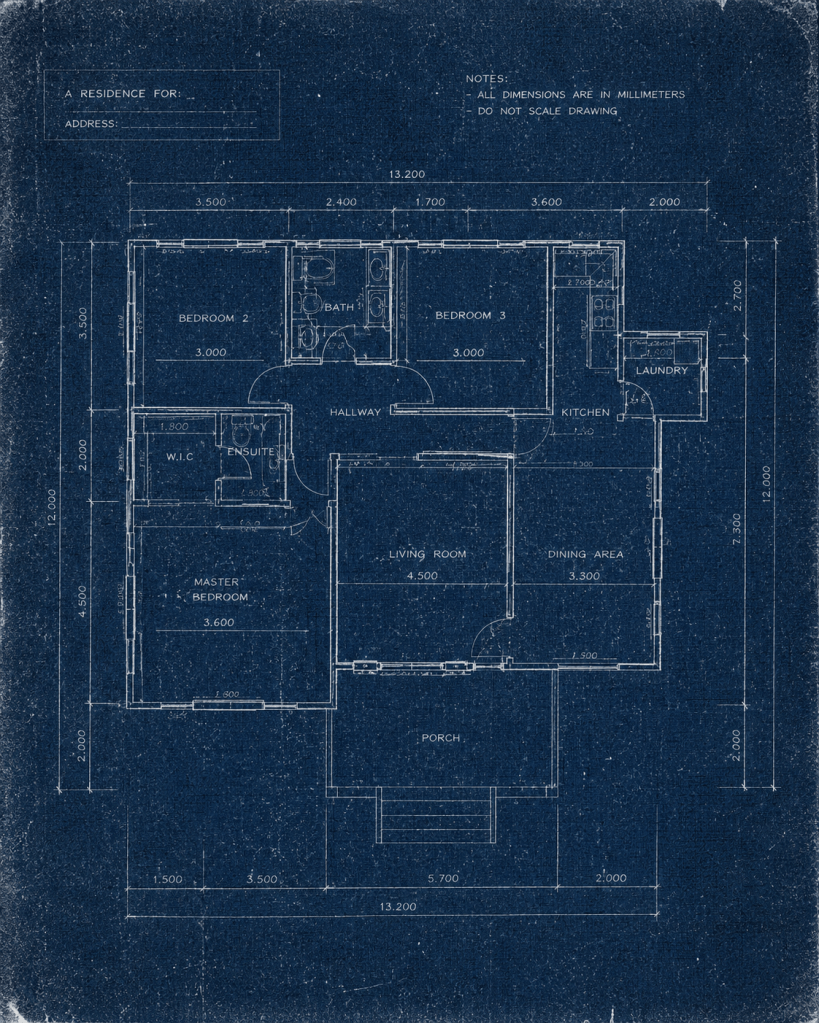
Everything always leads me back to the house.
Even now.
In adulthood.
In relationships.
In the way I love people.
I thought I had left the house behind.
That if I built enough distance between myself and those rooms, I could finally become someone untouched by them.
But the house followed me quietly.
Not through walls or furniture or memory alone,
but through the way it taught me closeness.
My mother, my sister, and I slept in one bed for years.
Our bodies always pressed tightly against each other.
Too close to move.
Too close to breathe.
Too close to escape.
And that became my understanding of love.
Heavy closeness.
Where presence is constant.
Where distance barely exists.
Where you always feel someone beside you.
Closeness that knows no boundaries.
When I stepped outside the house and entered the world, space confused me.
I could not understand lightness.
I could not understand people who loved gently, quietly, from a distance.
I could not understand closeness that did not consume.
I was raised inside a version of love where everyone was pressed against each other emotionally and physically.
Where silence, pain, comfort, exhaustion, survival all lived in the same bed.
So I panic when people drift.
When friendships soften.
Because relationships feel safest when they are deep, immediate, almost consuming.
And distance feels less like space and more like loss.
In that bed, there was no room to escape.
So I thought people stayed.
In the mess.
In the uncomfortable.
Even when it began to consume them.
I thought leaving the house meant escaping messiness.
But adulthood humbled me.
I realised, painfully so, that every house is messy.
Every person carries broken rooms.
Every relationship leaks in places you do not expect.
So now I sit with the realization that I did not spend my life escaping messiness.
I just kept exchanging one kind for another.
And all the while, the original house waited for me.
Not literally.
But inside me.
No matter how far I run, I still build relationships using the same blueprint the house gave me:
hold tightly,
stay close,
do not leave the bed,
do not leave me.
The house did not only hurt me.
It also taught me how to long.
And the pain I tried so hard to outrun
now demands to be felt.
Writer’s Note
Blueprints is a reflection on the ways my childhood quietly became architecture.
The ways I inherited closeness, feared distance, and carried old rooms into new relationships without realizing it.
This piece was written during a period of intense reflection — on grief, attachment, change, and the uncomfortable realization that leaving the house did not mean leaving its blueprints behind.
Some houses remain long after we’ve outgrown them.
And the longer they remain, the messier they become.

